
English
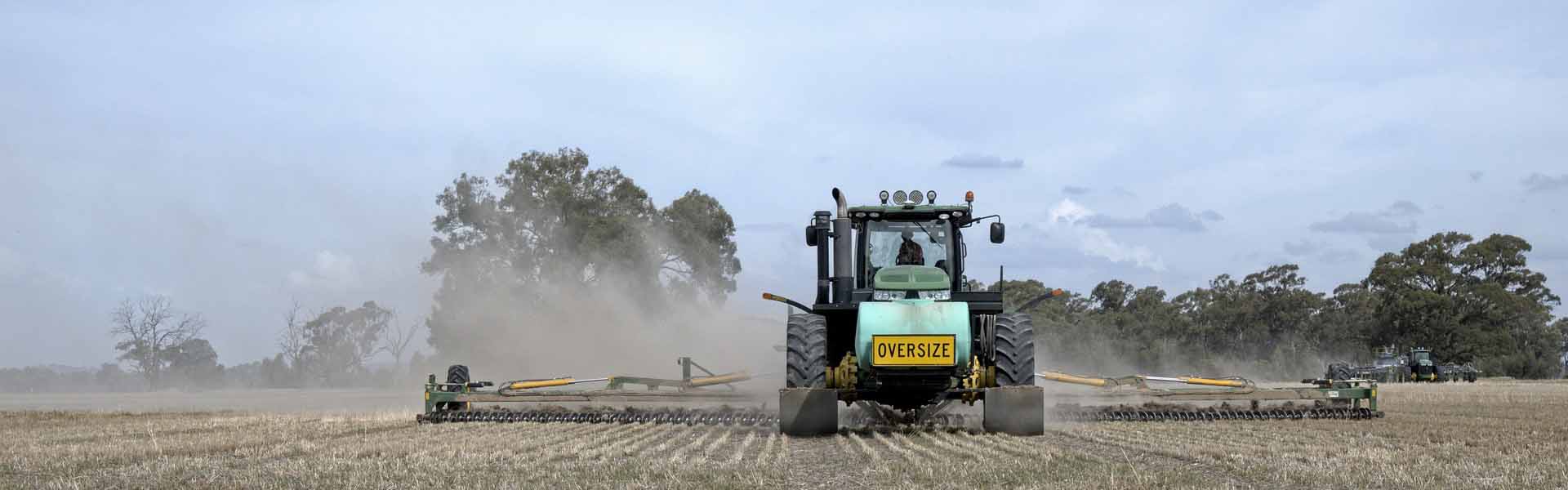
The news that XCMG India celebrated the "2000th excavator rolled off the production line" in India has drawn widespread attention. This marks an important milestone for XCMG in local manufacturing in India. The celebration was held on the eve of the Durga Festival. Tu Hui, the general manager of XCMG India, led the management team and workers to attend the event. The ceremony incorporated the local religious and folk custom of the Puka ritual, and the atmosphere on the spot was very lively. Through this news, we learned that XCMG India has achieved remarkable success in localized manufacturing, and it has also sparked discussions about the challenges and risks XCMG faces in the Indian market.
Since XCMG India officially started production on December 31, 2021, they have been actively promoting their localization strategy. As far as we know, XCMG India has recruited experienced managers and workers, and at the same time established a mature localization team. They are committed to enhancing product quality and competitiveness, have established a stable supply system, and cooperate with local suppliers, Japanese and South Korean suppliers, and domestic suppliers. These measures have helped XCMG take root in its overseas manufacturing bases and build a global supply chain system.
However, this piece of news has raised concerns among some netizens about XCMG's presence in the Indian market. They think XCMG might face the treatment of being taken advantage of. However, we think this view is too one-sided. Exploring overseas markets is an inevitable task for every enterprise. Only by occupying this market can an enterprise achieve expansion in scale and strength. If the enterprise does not expand its overseas market, it will be preemptively occupied by other competitors. Therefore, XCMG's efforts in localizing manufacturing in India are commendable. However, high overseas investments must be carefully considered for risks.
This kind of risk not only involves the enterprises themselves, but also concerns the national interests. When confronted with overseas projects and investments of strategic significance and on a large scale, a pure market economy is not sufficient. It is necessary to strengthen state supervision and control, and the elements of the planned economy should also be taken into account. If we only think from the perspective of enterprises, we may face huge risks in the future. As for XCMG's localization of construction machinery production in India, the information we currently have is limited, and we are unable to make an accurate judgment or express our views. However, we hope that XCMG can act with caution in the development of overseas markets.
It is extremely important to always keep a clear mind and make wise decisions when facing challenges and risks. As a representative of Chinese enterprises in overseas markets, XCMG should fully consider the market environment and risk conditions and adhere to the principle of stable development. In conclusion, the news that XCMG India celebrated the "2000th excavator rolled off the production line" has drawn widespread attention. Their achievements in local manufacturing in India are remarkable. Expanding overseas markets is a task that must be faced, but risks also need to be carefully considered.
We hope that XCMG will continue to strive, make wise decisions and achieve greater success in overseas markets. Finally, we would like to ask our readers, what are your views on the challenges and risks that enterprises face in their development in overseas markets? Please leave your comment.
Telephone: 010-1222222
Email: 333333333@qq.com
All rights reserved
ICP Record No. 888888888
